
Aging-in-place remodeling helps homeowners create spaces that are safer, more comfortable, and easier to live in over time. In Cincinnati, that can mean anything from an accessible bathroom remodel or curbless shower to a larger plan for first-floor living and long-term accessibility.
This guide explains what aging-in-place remodeling involves, what CAPS certification means, which upgrades tend to make the biggest impact, and how to think about budget ranges for a home that still feels warm, functional, and beautifully designed.
Table of Contents
- What Is Aging-in-Place Remodeling?
- What Does CAPS-Certified Mean?
- What Are the Most Important Aging-in-Place Upgrades for a Cincinnati Home?
- Beautiful, Not Clinical: Why Aging-in-Place Design Should Still Feel Like Home
- Real Budget Ranges for Aging-in-Place Remodeling
- How to Choose the Right Aging-in-Place Contractor in Cincinnati
- Planning for Long-Term Living at Home
What Is Aging-in-Place Remodeling?
Aging-in-place remodeling is the process of updating a home to better support safety, accessibility, and independence over time. At its core, it is about helping homeowners continue living comfortably in the home they love, even as their needs, routines, or mobility change.
In practical terms, that can mean reducing fall risk, improving mobility, and simplifying everyday tasks in key areas such as the bathroom, kitchen, entry, and bedroom. For some homeowners, that may involve a few proactive upgrades such as better lighting, wider walkways, or improved flooring. For others, it may mean a more extensive universal design home remodel with a first-floor primary suite, a more accessible bathroom, or changes that better support long-term mobility.
The most successful projects do not feel like a collection of safety features added after the fact. They feel like a better home overall that is easier to live in, easier to navigate, and designed with intention.
Before making final design selections, learn how visiting a showroom can simplify the process and help you make better cabinet and finish decisions.
Because these changes can shape both everyday comfort and long-term livability, it is important to work with a remodeling partner who understands what truly makes a home function well for aging in place. That means looking beyond individual products and thinking carefully about layout, movement, safety, and how the home will serve you over time.
What Does CAPS-Certified Mean?
That is where CAPS certification can be especially meaningful. CAPS stands for Certified Aging in Place Specialist, a professional designation for remodeling professionals who have completed training focused on helping homeowners adapt their homes for safer, more comfortable long-term living.
Legacy Builders Group is proud to be CAPS-certified because we believe aging-in-place remodeling should never be treated as a checklist of disconnected upgrades. It should be approached thoughtfully, with a clear understanding of how people live in their homes and what changes can make daily life easier, safer, and more comfortable.
A certified aging-in-place specialist can bring added confidence to the remodeling process. We understand not only the technical side of remodeling, but also how to create spaces that feel warm, welcoming, and beautifully designed. That balance is an important part of creating a home that truly supports living well for years to come.
What Are the Most Important Aging-in-Place Upgrades for a Cincinnati Home?
The right aging-in-place remodeling priorities in Cincinnati depend on the home and the homeowner, but some upgrades tend to make the biggest difference. Bathrooms are often the first to be addressed, followed by entries, stairs, lighting, and flooring. Longer-term planning may also include kitchen improvements, a first-floor primary suite, or a larger main-floor living remodel.
The goal is to focus on the updates that can make daily life safer, easier, and more comfortable now while helping the home continue to serve you well in the years ahead.
.jpg?width=680&height=995&name=Bright%20Cincinnati%20bathroom%20with%20freestanding%20tub%2c%20walk-in%20shower%2c%20and%20large%20window%20with%20wooded%20view%20(1).jpg)
Bathroom Remodeling Ideas That Improve Safety and Comfort
If there is one space where aging-in-place services can have a major day-to-day impact, it is the bathroom. Bathrooms combine water, slippery surfaces, tight clearances, and frequent daily use, which is why they are often one of the most important places to start.
An accessible bathroom remodel in Cincinnati often begins with the shower. A curbless or barrier-free shower can reduce trip hazards, improve ease of entry, and create a cleaner, more open look.
Smart bathroom upgrades may include:
- Slip-resistant flooring
- A built-in shower bench
- Handheld shower fixtures
- Comfort-height toilets
- Improved vanity and shower lighting
- Grab bars that coordinate with the overall design
- Better spacing for easier movement
In some cases, a bathroom safety remodel in Cincinnati may also need to accommodate mobility devices or other significant long-term needs. That could include designing a wheelchair accessible bathroom Cincinnati homeowners can use more comfortably, with:
- Wider clearances
- Better turning space
- Easier access to sinks, showers, and toilets
The good news is that these features do not have to feel clinical. With the right materials, layout, and selections, they can feel every bit as polished and inviting as any beautifully designed bathroom.
Entry, Stairs, Lighting, and Flooring Improvements That Make Everyday Living Easier
Aging-in-place remodeling is not limited to bathrooms. Some of the most valuable updates are the ones that make it easier to move safely through the home every day.
These improvements may include:
- Better lighting at the front entry and along walkways
- More stable railings
- A smoother path from the driveway or sidewalk to the front door
- Reduced transitions between flooring materials
- Slip-resistant flooring selections
- Improved visibility in hallways and stairways
- Wider passageways in key areas
For homes with multiple levels, stairs often become an important part of the conversation. Sometimes the right solution is improving:
- Handrails
- Tread visibility
- Stair lighting
In other cases, the better long-term investment is reducing the need to use stairs every day through a bedroom relocation, bath addition, or main-floor living remodel.
A thoughtful, Cincinnati aging-in-place contractor can help evaluate not just what is possible, but what will truly make the home more comfortable and functional for the way you live.
Kitchen Remodeling for Aging-in-Place
The kitchen is another area where thoughtful design can enhance comfort and usability without altering the home's character. In fact, many of the best kitchen upgrades simply make the space easier and more enjoyable to use.
As part of accessible home remodeling in Cincinnati, kitchen improvements may include:
- Better circulation space
- Easier-to-reach storage
- Improved task lighting
- Drawer-based storage instead of deep lower cabinets
- Appliance placement that reduces bending, stretching, and lifting
- Hardware that is comfortable to grip and use
These ideas often overlap naturally with universal design remodeling that Cincinnati homeowners are already considering. A kitchen that works better for aging in place also tends to work better for guests, grandchildren, and everyday life.
First-Floor Living and Long-Term Layout Planning
For some homeowners, the most meaningful aging-in-place improvement is not a single room update. It is a larger shift in how the home functions.
A first-floor primary suite can make an older home far more livable over time by reducing dependence on stairs and placing the most important daily spaces on one level. Depending on the home, that may involve:
- Converting an office, den, or underused room
- Reworking part of the existing floor plan
- Building an addition
- Creating easier access to a full bathroom
When additional space is needed, homeowners must also decide whether building upward or expanding the home’s footprint makes more sense for their property, accessibility goals, and long-term plans.
A well-designed main-floor living remodel may also include:
- Relocating laundry to the main level
- Improving access to a powder room or full bath
- Making sure the kitchen, bedroom, and living spaces work together comfortably
- Reducing the need to navigate stairs throughout the day
This kind of planning is especially valuable in homes where the existing layout creates obstacles that smaller updates cannot fully solve. When done thoughtfully, it can make the home feel safer, more functional, and more comfortable for everyday living.
Beautiful, Not Clinical: Why Aging-in-Place Design Should Still Feel Like Home
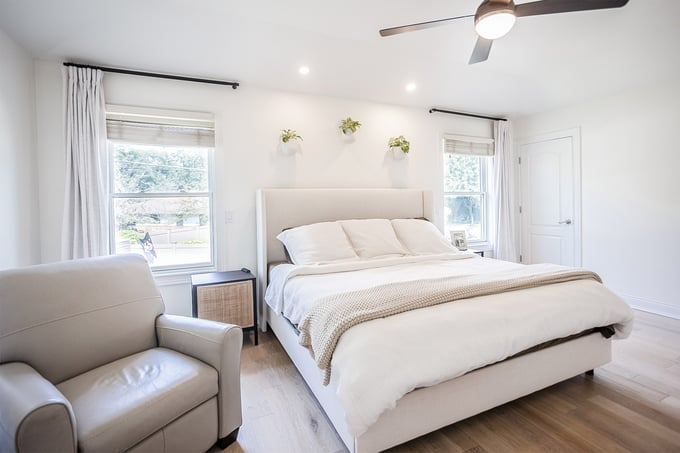
One of the biggest concerns about aging-in-place home modifications is whether the finished space will feel institutional. In reality, the best aging-in-place design is about making the home easier to live in without losing the warmth, character, and style that make it feel like yours.
That is one reason thoughtful planning matters so much. Legacy Builders Group believes aging-in-place remodeling should never feel like a collection of disconnected safety features added after the fact. The most successful barrier-free home remodeling projects in Cincinnati consider accessibility from the beginning, so safety and function are woven into the design in a way that feels natural, cohesive, and beautiful.
When aging-in-place features are integrated well, the result is not a home that feels defined by limitations. It is a home that feels more comfortable, more intuitive, and better suited to everyday life. In many cases, the very choices that improve accessibility also make the home feel more spacious and inviting.
That balance is an important part of Legacy Builders Group’s design-build approach. Good aging-in-place design should support the way you live while still reflecting your taste and priorities. The goal is not simply to make a home safer. It is to make it work beautifully for the years ahead.
To see how Legacy Builders Group approaches thoughtful, design-forward remodeling, explore our remodeling portfolio.
Real Budget Ranges for Aging-in-Place Remodeling
Cost is one of the first questions that comes up with aging-in-place remodeling. These projects are usually best understood by scope, since pricing can vary based on the home, the goals of the remodel, and if structural changes are needed.
Bathroom Remodeling for Aging-in-Place
Bathroom remodeling costs can vary widely depending on whether the work stays within the existing footprint or requires a more substantial reconfiguration. A project may land on the lower end of the range when the layout already works well, and the focus is on improving safety and accessibility within the current space.
Typical range: $50,000 to $100,000+
Everyday Living Improvements
These projects are often more modest in cost, but the range depends on how many areas of the home are being addressed. A few targeted changes at the front entry or stairway will naturally cost less than a broader effort to improve access, visibility, and flooring transitions throughout the home. Material choices, the number of problem areas, and whether exterior work is involved can all affect where the project falls.
Typical range: $20,000 to $30,000+
Kitchen Remodeling for Aging-in-Place
Kitchen budgets usually depend on how much of the space needs to change to improve comfort and usability. When the existing layout works, the investment may stay closer to the lower end of the range. When better accessibility requires changes to cabinetry, appliance placement, circulation space, or overall layout, the cost can increase.
Typical range: $100,000 to $250,000+
First-Floor Living and Long-Term Layout Updates
This category often represents the largest investment because it can involve changing how the home functions altogether. Creating a first-floor primary suite, relocating laundry, adding or expanding a bathroom, or reworking the main floor for easier day-to-day living may require structural changes, plumbing and electrical work, and coordination across multiple spaces. In older Cincinnati-area homes, existing layout constraints can play a major role in where this type of project falls within the range. For homeowners considering remodeling in a Cincinnati historic district, additional design review requirements or approval timelines may also influence how these projects are planned and executed.
Typical range: $75,000 to $300,000+
Every home is different, especially in older Cincinnati-area neighborhoods. The right budget depends not only on the type of project, but also on the condition of the home, the complexity of the work, and the goals behind the remodel.
For more information on pricing, see our Remodeling Cost Guide.
How to Choose the Right Aging-in-Place Contractor in Cincinnati
Choosing the right remodeling partner matters. A qualified aging-in-place contractor in Cincinnati should bring more than construction knowledge. They should understand how to plan for safety, comfort, movement, and long-term livability in a way that still feels cohesive and well-designed.
Local experience is a big part of that. Many Greater Cincinnati homes were not built with accessibility in mind, so thoughtful aging-in-place remodeling often requires creative planning and a strong understanding of how to adapt older homes well.
It is worth looking for a CAPS-certified contractor in the Cincinnati area. A Certified Aging in Place Specialist has specialized training in creating spaces that better support changing needs over time.
Legacy Builders Group is proud to bring both local remodeling experience and CAPS-certified expertise to these projects, helping homeowners create spaces that are safer, more functional, and still feel like home.
Planning for Long-Term Living at Home
Aging-in-place remodeling should make your home feel easier, safer, and more comfortable without losing the character that makes it yours. The best projects support daily life now while also helping you stay in the home you love for years to come.
Legacy Builders Group helps Cincinnati-area homeowners make those decisions with thoughtful design, local remodeling experience, and CAPS-certified guidance. If aging-in-place updates are on your mind, contact Legacy Builders Group to start the conversation.