
Cincinnati’s historic homes have a character that is hard to recreate: original details, established neighborhoods, timeless architecture, and a sense of story that makes the home feel personal. But when it is time to remodel, that same character can come with extra questions. What are you allowed to change? What does the City need to review? Will the plans be delayed by historic district requirements?
The good news is that remodeling in a Cincinnati historic district does not have to feel overwhelming when you start with the right information. With thoughtful planning, early documentation, and a remodeling team that understands older homes, it is possible to create a more functional, comfortable home while respecting the features that made it worth investing in.
This post explains how to tell if your home is in a historic district, what a Certificate of Appropriateness is, what types of projects may trigger review, what can slow approvals, and how to plan ahead with more confidence.
Note: This article is for general planning purposes. Historic review requirements can vary by property, district, and scope of work. Always confirm requirements with the City of Cincinnati or your project team before starting work.
Table of Contents
- Is Your Home in a Historic District, or Is It Simply an Older Home?
- What Is a Certificate of Appropriateness in Cincinnati?
- What Types of Remodeling Projects Tend to Trigger Historic Review?
- What Usually Does Not Require Historic Review?
- What Can Slow Down Historic District Remodeling Approvals in Cincinnati?
- How Long Do Historic District Remodeling Approvals Take in Cincinnati?
- How to Remodel a Historic Home in Cincinnati With Fewer Surprises
- FAQs About Remodeling in a Cincinnati Historic District
- How Legacy Builders Group Helps with Cincinnati Historic District Remodeling
Is Your Home in a Historic District, or Is It Simply an Older Home?
Before you start worrying about approvals, it helps to answer one important question:
Is your home actually in a locally designated historic district, or is it simply an older home?
Cincinnati has many older homes with beautiful architectural character. But age alone does not necessarily mean your home is subject to historic conservation review. A 100-year-old home outside a locally designated district may have different requirements than a similar home inside one.
How to Find Out If Your Cincinnati Home Is in a Historic District
A good first step is to look up your address through the City of Cincinnati’s historic resources maps or CAGIS Online, the regional property mapping system used for Cincinnati and Hamilton County property information. These tools can help you see if your property appears within a mapped historic district or historic resource area.
As you review the information, pay close attention to the type of designation. A home can be older, listed in a National Register district, locally designated by the City of Cincinnati, or some combination of those. For remodeling approvals, local designation is especially important, as it typically triggers a Certificate of Appropriateness review for exterior changes.
When in doubt, contact the City of Cincinnati Historic Conservation Office before finalizing your plans. It is much easier to clarify requirements early than to redesign exterior details after the project is already moving forward.
What Is a Certificate of Appropriateness in Cincinnati?
A Certificate of Appropriateness, often called a COA, is the approval used for work on local landmarks or properties within local historic districts. According to the City of Cincinnati, a COA is issued by the Historic Conservation Office to approve work to local landmarks or properties located within local historic districts.
In most residential remodeling conversations, the COA process is about exterior changes. A COA may be issued as part of a building permit or as a separate document, depending on the type of work. Minor alterations may be reviewed by staff, while major alterations may require review by the Historic Conservation Board.
What Types of Remodeling Projects Tend to Trigger Historic Review?
Every property and district can be different, so it is important to review the specific local conservation guidelines that apply to your home. Cincinnati’s local conservation guidelines are intended to help property owners, architects, and contractors who are considering work within a locally designated district or area, including changes to existing buildings, demolition, or new construction.
That said, certain types of work commonly raise the question of historic review. This is where experience with older homes can make a meaningful difference.
Legacy Builders Group works with many Greater Cincinnati homeowners in 30+ year-old homes, where original details, past renovations, structural realities, and modern lifestyle goals all need to be considered together.
Here are some of the changes that may need additional review with historic homes.
Exterior Changes
Exterior work is the broadest category. If your project changes the home's visible exterior, it may require review.
This can include changes to siding, trim, exterior materials, visible architectural details, exterior stairs, railings, porches, and other features that contribute to the home’s character.
Some district guidelines are very direct about this. For example, Cincinnati’s Sohn-Mohawk Historic District guidance states that owners must obtain a COA before beginning work that modifies, removes, replaces, or destroys any aspect of a building's exterior in the local historic district.
That does not mean every exterior repair becomes a complicated process. It does mean that exterior changes should be identified early so your team can determine if a COA is needed.
Windows and Doors
In a Cincinnati historic district, windows and doors may need review depending on the home, district, and scope of replacement. These are often important historic features because they affect the rhythm, proportion, material character, and appearance of the home.
A window replacement that seems simple from a comfort or energy-efficiency standpoint may raise design questions if it changes the size of openings, removes historic trim, alters divided-light patterns, or replaces a historically appropriate material with one that does not match the home's character.
Additions
If your property is in a local historic district, an addition will often need review because it can affect the scale, massing, roofline, materials, and overall relationship between the original home and the new space.
This is where design-build planning becomes especially important. A home addition must work for your daily life, your budget, the existing structure, the building code, zoning requirements, and the district’s historic guidelines.
Good addition design does not necessarily mean pretending the new space is original. In many cases, the goal is compatibility: respecting the historic home’s scale, proportions, materials, and placement while creating a functional space for modern living.
Rooflines, Porches, and Masonry
Rooflines, porches, and masonry can be especially sensitive in historic district remodeling.
A roofline change may affect the shape and profile of the home. A porch change may alter one of the most visible and character-defining parts of the exterior. Masonry work may affect color, texture, mortar joints, and the long-term durability of the structure.
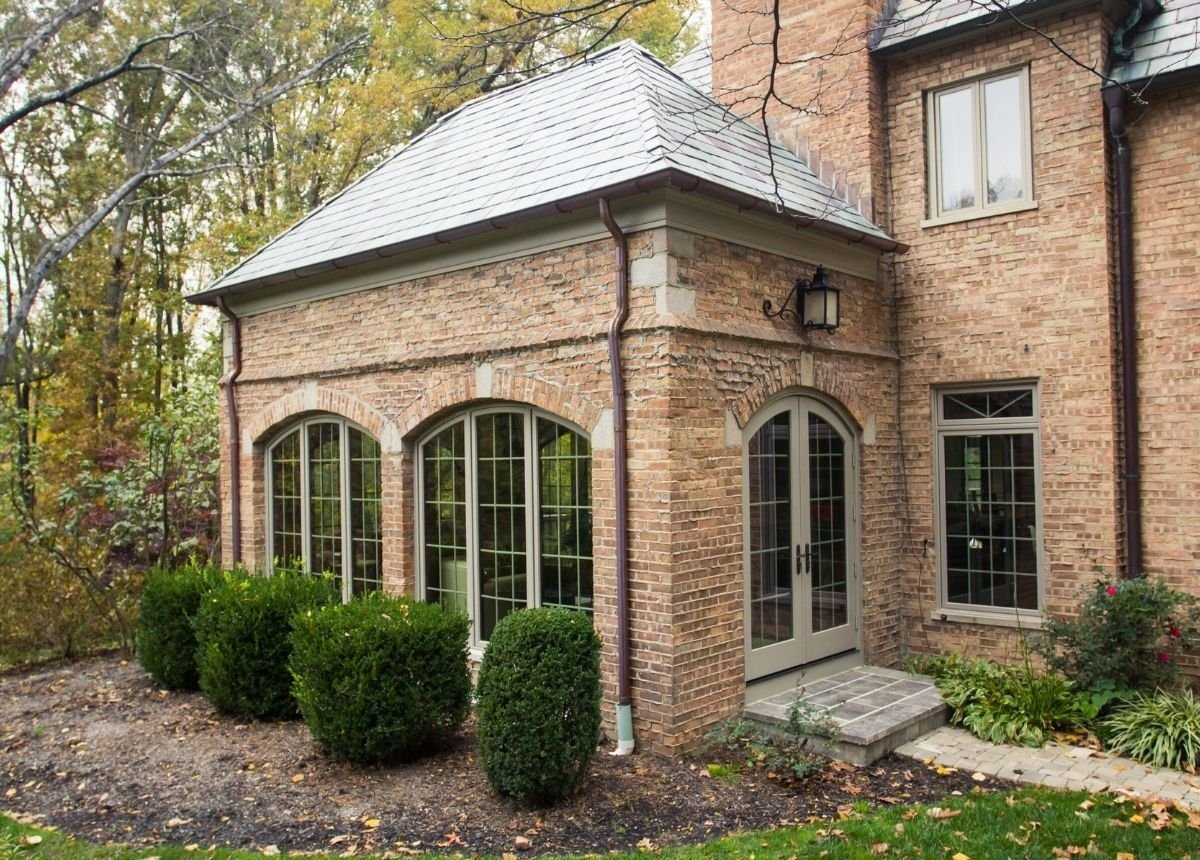
Repointing, cleaning, patching, or replacing brick should be approached carefully because the wrong technique or material can damage historic masonry or create a mismatched appearance.
Demolition or Removal of Historic Features
Demolition is usually reviewed carefully in a historic district. This can include full demolition, partial demolition, or removal of character-defining exterior features.
For homeowners, the most practical advice is simple: do not remove exterior features first and ask questions later. If your project involves removing original or historic exterior elements, build review time into the planning process.
What Usually Does Not Require Historic Review?
Many interior-only remodels are more straightforward from a historic review standpoint.
The City of Cincinnati states that the Historic Conservation Office generally reviews only exterior work, demolition, new construction, and site improvements, with certain exceptions for select properties with significant interiors that are subject to review.
In other words, many kitchen remodels, bathroom remodels, basement updates, laundry room improvements, and interior layout changes may not require a Certificate of Appropriateness if they do not affect the exterior.
However, “does not require historic review” does not mean “does not require permits.” Interior remodeling may still involve building permits, electrical permits, plumbing permits, HVAC work, structural review, or other requirements, depending on the scope.
What Can Slow Down Historic District Remodeling Approvals in Cincinnati?
Historic review does not have to derail your project. But certain issues can create delays, especially when they are discovered late.
Waiting Too Long to Confirm Historic Status
The earlier you confirm if your property is locally designated, the better.
If you design an addition, select windows, or finalize exterior details before understanding the applicable guidelines, you may end up having to redesign later. That can add cost, time, and frustration.
For historic district remodeling permits in Cincinnati, the smartest first step is to identify if your property is within a local historic district or listed as a local landmark, then review the guidelines that apply.
This is one of the reasons Legacy Builders Group begins with careful discovery and planning. Before a project moves too far into design, it helps to understand the home itself, the homeowner’s goals, and any outside requirements that may affect the path forward.
Incomplete Documentation
The City’s Historic Conservation Board application instructions say applicants requesting a COA must demonstrate through credible testimony, documentary evidence, or written statements how the proposed project meets Cincinnati Municipal Code standards and the applicable local Historic Conservation Guidelines. Applications that are not supported by this information may be subject to disapproval.
That means documentation matters.
Depending on your project, useful documentation may include:
- Existing condition photos
- Site plans
- Floor plans
- Exterior elevations
- Product specifications
- Window and door details
- Material descriptions
- Masonry information
- A narrative explaining the intent of the project
- Details showing how the new work relates to the existing home
The more complete and coordinated the package is, the easier it is for reviewers to understand what is proposed.
This is also where a design-build process can be helpful. Because design and construction planning happen together, Legacy Builders Group can help homeowners think through how drawings, materials, budget, and buildability connect before the project reaches a point where changes become more disruptive.
Material Selections Made Too Late
Material decisions can affect historic review more than homeowners expect.
For example, “replace the front windows” is not enough detail. Reviewers may need to understand the proposed material, dimensions, profiles, muntin pattern, trim condition, and how the new windows compare to the existing or original design.
The same can be true for doors, railings, porch columns, roofing, siding, masonry repair, exterior lighting, and trim.
Selecting these materials earlier helps the design, budget, and approval process move together.
For homeowners, this can feel overwhelming. Legacy Builders Group’s process is designed to make decisions more guided and tangible, from early conversations about priorities to curated selections that support the design direction. When exterior materials are part of the approval conversation, making those decisions earlier can help reduce avoidable backtracking.
Designs That Do Not Relate to the Original Home
Historic guidelines often look for compatibility. That does not mean every new element must look old. In fact, Cincinnati’s Main Street Historic District guidance says not to make a building look older than it is, and that rehabilitation work should fit the character of the original building.
This is a helpful principle for many older-home remodels: respect the original home without creating a false sense of history.
A well-designed addition, porch update, or exterior renovation should feel intentional. It should relate to the home’s scale, rhythm, proportions, and materials while still supporting how the family wants to live today.
That balance is where thoughtful design matters. Legacy Builders Group helps homeowners look at both sides of the project: what the home needs architecturally and what the family needs functionally. The goal is not just to get through a review process. It is to create a remodel that feels appropriate to the home and meaningful for daily life.
How Long Do Historic District Remodeling Approvals Take in Cincinnati?
The honest answer is: it depends.
A smaller exterior change with complete documentation may move more efficiently, especially if it qualifies as a minor alteration that staff can review.
The timeline can also be affected by whether the application is complete, revisions are requested, zoning relief is needed, and the design clearly aligns with the applicable conservation guidelines.
The best way to avoid unnecessary delays is to plan for historic review from the beginning and work with a remodeling team that understands older homes, historic district expectations, documentation, and how exterior design decisions can affect the approval path.
How to Remodel a Historic Home in Cincinnati With Fewer Surprises
Historic homes are not impossible to update. But they reward preparation.
Start With the Property
Before design begins, confirm:
- Is the home in a local historic district?
- Is it a local landmark?
- Which conservation guidelines apply?
- What exterior features are original or character-defining?
- What parts of the project may be visible from the street or public areas?
- Will the project involve zoning relief?
This information helps set the right expectations from the start.
Bring Design, Budget, and Approvals Together Early
With older and historic homes, a beautiful idea still needs to be buildable, approvable, and aligned with your investment goals.
That is one reason Legacy Builders Group uses a design-build approach. Our process is built around helping homeowners understand where they are heading before construction begins. Legacy Builders Group’s brand is rooted in advocacy, professionalism, communication, and helping clients have a positive experience from planning and design through completion.
For historic district projects, that kind of process matters. Design decisions, budget decisions, material selections, and approval requirements all influence one another.
If you are still getting familiar with what different remodeling scopes may involve, our remodeling cost guide can help you start with realistic budget expectations before design decisions go too far.
Make Exterior Selections Earlier Than You Think
If your project includes exterior work, do not wait until the last minute to choose materials.
Windows, doors, trim, porch components, siding, masonry details, railings, roofing, and exterior lighting may all affect the review conversation. The more specific you can be, the easier it is to understand how the proposed work will look and whether it fits the home.
Preserve What Gives the Home Its Character
Historic remodeling is about recognizing what makes the home worth investing in.
That may include original woodwork, masonry, porch proportions, window rhythm, stair details, roof shape, or the way the home sits within the neighborhood. A thoughtful remodel finds ways to improve daily life while respecting those details.
To see how thoughtful design can update an older home while still respecting its character, explore our remodeling portfolio.
Build in Time for Review and Questions
Historic review is easier when it is part of the plan from the beginning.
That means allowing time for documentation, city review, possible questions, and potential revisions. It also means understanding that your construction start date should be based on a complete plan, not just on when you would like work to begin.
FAQs About Remodeling in a Cincinnati Historic District
1. Do I need approval to replace windows in a Cincinnati historic district?
You may. If your home is locally designated or located in a local historic district, window replacement may require review because windows can affect the home's exterior character, proportions, materials, and appearance. The safest first step is to confirm your home’s status and review the applicable conservation guidelines before selecting replacement windows.
2. Do I need approval to change the exterior of my historic home?
Often, yes. Exterior changes are one of the main project types reviewed in Cincinnati's historic districts. This can include changes to siding, trim, porches, doors, windows, rooflines, masonry, or other visible architectural details.
3. Do I need approval to add an addition in a Cincinnati historic district?
An addition will often need review if your property is in a local historic district. Additions can affect the scale, roofline, materials, and relationship between the original home and the new space, so they should be planned with the applicable conservation guidelines in mind.
4. Do interior remodels need historic approval?
Many interior-only remodels do not require historic review if they do not affect the exterior. However, interior remodeling may still require building, electrical, plumbing, HVAC, or structural permits depending on the scope of work.
How Legacy Builders Group Helps with Cincinnati Historic District Remodeling
Remodeling an older home can feel personal. You are not just changing walls, windows, or finishes. You are making decisions about how your family will live, gather, retreat, entertain, and make memories in a home that already has a story.
Legacy Builders Group helps homeowners think through the practical and emotional sides of remodeling. We help clarify goals, align scope and budget, coordinate design decisions, and communicate what to expect along the way.
If you want more information for your Cincinnati historic district renovation, contact us today.